
Telecom Reliability & Maintenance Bureau 4432643116 5033059044 3162523164 9192145402 8163987320 2167161383

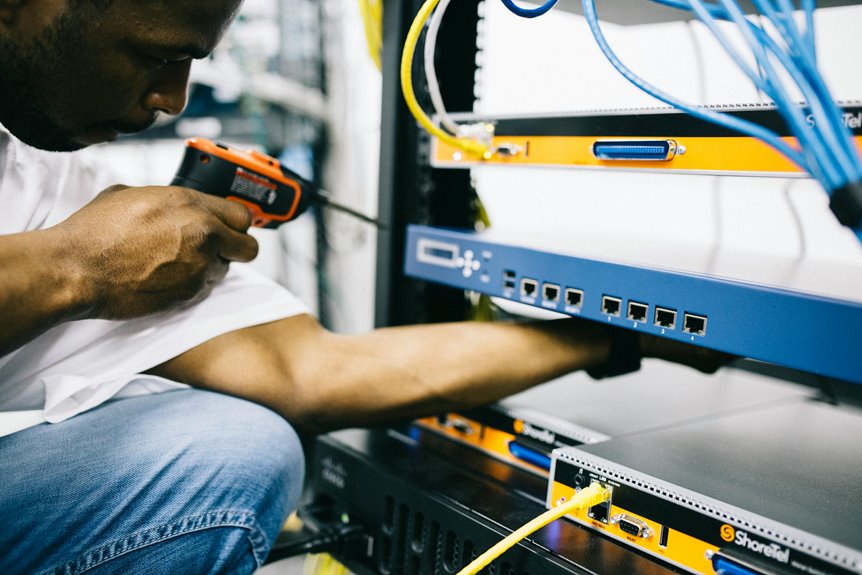
The Telecom Reliability & Maintenance Bureau is pivotal in maintaining telecommunication system integrity. Its multifaceted responsibilities include monitoring network performance and ensuring compliance with regulatory standards. Key contact numbers, such as 443-264-3116 for customer service and 503-305-9044 for technical support, facilitate immediate assistance during outages. Understanding the Bureau’s role and functions can illuminate the broader implications for telecommunications reliability and user experience in an increasingly connected world.
Overview of the Telecom Reliability & Maintenance Bureau
The Telecom Reliability & Maintenance Bureau serves as a critical entity overseeing the operational integrity of telecommunication systems.
This organization ensures regulatory compliance while fostering telecom innovations. By implementing rigorous standards and assessments, it safeguards the reliability of services, thus empowering users with uninterrupted connectivity.
Its role is vital in balancing technological advancement with the essential need for consistent, dependable communication infrastructure.
Key Functions and Responsibilities
Ensuring the reliability of telecommunication systems involves a multifaceted array of functions and responsibilities undertaken by the Telecom Reliability & Maintenance Bureau.
Key responsibilities include monitoring network performance, conducting regular maintenance, and implementing corrective actions to enhance operational efficiency.
Additionally, the bureau oversees compliance with regulatory standards, ensuring that telecommunication infrastructures remain robust and resilient in the face of evolving technological demands and challenges.
Importance of Reliable Telecommunications
Reliable telecommunications are critical for maintaining seamless business operations, as disruptions can lead to significant financial losses and hinder productivity.
Furthermore, robust telecommunications infrastructure enhances emergency response systems, ensuring timely communication during crises.
Additionally, it supports the increasing demand for remote communication needs, facilitating collaboration across geographically dispersed teams.
Impact on Business Operations
While many factors contribute to the efficiency of business operations, the role of telecommunications stands out as a critical element influencing overall productivity and effectiveness.
Reliable telecommunications enhance business continuity and foster operational resilience. Disruptions in communication networks can impede workflows, leading to inefficiencies.
Thus, maintaining robust telecommunications infrastructure is essential for organizations aiming to optimize performance and sustain competitive advantage in a dynamic environment.
Enhancing Emergency Response Systems
Telecommunications serve as the backbone of effective emergency response systems, enabling rapid communication and coordination among first responders and support services.
Implementing robust emergency protocols is essential for orchestrating timely responses. System upgrades enhance network resilience and reliability, ensuring uninterrupted connectivity during crises.
These improvements facilitate optimal resource allocation, ultimately safeguarding lives and property while upholding the principles of freedom and public safety.
Supporting Remote Communication Needs
A significant aspect of modern communication infrastructure is its ability to support remote communication needs, particularly in areas where traditional means are limited or unavailable.
This capability is critical for:
- Remote access to vital information and services.
- Collaboration through various communication tools, enhancing productivity.
- Emergency communication, ensuring connectivity during crises.
These elements underscore the importance of reliable telecommunications in fostering connectivity and independence.
Response and Recovery From Outages
When an outage occurs, the ability of a telecom provider to respond and recover effectively is critical to maintaining service reliability and customer trust.
Outage analysis plays a vital role in identifying root causes, while recovery strategies must be swiftly implemented to minimize downtime.
A structured approach ensures resilience, allowing providers to adapt and restore services efficiently, ultimately safeguarding user autonomy and satisfaction.
How to Access Support: Key Contact Numbers
Accessing support during a service interruption necessitates familiarity with key contact numbers that connect users to the appropriate resources.
Effective contact methods enhance support availability and expedite resolution. Users should note the following essential numbers:
- Customer Service: 443-264-3116
- Technical Support: 503-305-9044
- Billing Inquiries: 316-252-3164
These contacts ensure prompt assistance during critical connectivity issues.
Future of Telecommunications Reliability Services
As telecommunications technology evolves, the future of reliability services is poised to embrace advanced solutions that enhance network resilience and customer satisfaction.
Key elements include 5G advancements and IoT integration, which drive efficiency. Cybersecurity measures and sustainability practices will safeguard infrastructure.
Moreover, technology investments, workforce training, and data analytics will align with growing customer expectations, ensuring robust and adaptive telecommunications services.
Conclusion
In conclusion, the Telecom Reliability & Maintenance Bureau serves as the vigilant guardian of telecommunication systems, ensuring seamless connectivity through proactive oversight. Its multifaceted approach to network performance and regulatory compliance underscores the vital role it plays in fostering innovation while safeguarding user experiences. As the industry evolves, the Bureau’s commitment to reliability will remain a cornerstone, guiding the transition toward a future where connectivity challenges are addressed with agility and expertise, thus preserving the lifeblood of modern communication.


