
Network Engineering & Maintenance Authority 8557045510 3462730012 2722026485 1300366867 2242153247 18669608609

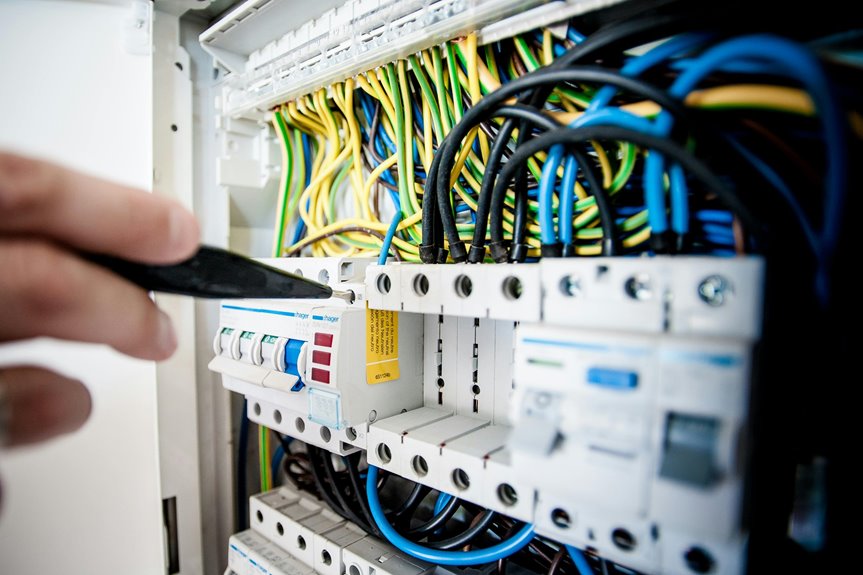
The Network Engineering & Maintenance Authority (NEMA) plays a crucial role in optimizing telecommunications infrastructure. It focuses on enhancing operational efficiency through meticulous performance metrics analysis. Key services include network design, maintenance, and troubleshooting. As technology evolves, NEMA addresses significant challenges such as 5G integration and predictive maintenance. The implications of these efforts are far-reaching, prompting consideration of how they will shape the future of network management.
Overview of Network Engineering & Maintenance Authority
The Network Engineering & Maintenance Authority (NEMA) serves as a pivotal entity in the realm of telecommunications infrastructure.
It focuses on optimizing network architecture to enhance operational efficiency and reliability. By analyzing performance metrics, NEMA ensures that communication systems remain robust and capable of adapting to increasing demands.
This dedication fosters an environment conducive to innovation and freedom within the telecommunications sector.
Key Services Offered
A comprehensive array of services is provided by the Network Engineering & Maintenance Authority (NEMA) to ensure the seamless functioning of telecommunications networks. Key offerings include network design, maintenance, and performance monitoring, all aimed at enhancing service reliability and optimizing operational efficiency.
| Service Type | Description | Benefits |
|---|---|---|
| Network Design | Strategic planning of network layout | Improved performance |
| Maintenance | Regular checks and updates | Enhanced reliability |
| Performance Monitoring | Real-time analysis of network health | Proactive issue resolution |
| Troubleshooting | Diagnostic services for faults | Reduced downtime |
| Consultation | Expert advice on network solutions | Tailored strategies |
Importance of Network Optimization
While many organizations focus on the initial setup of their telecommunications networks, the ongoing process of network optimization is crucial for maintaining optimal performance and efficiency.
Effective bandwidth management enhances network performance by ensuring resources are allocated appropriately, reducing congestion and latency. Continuous assessment and refinement of network parameters empower organizations to adapt to changing demands, ultimately fostering a more resilient and agile network infrastructure.
Troubleshooting and Support
The process of troubleshooting and support in network engineering encompasses the identification of common network issues, the utilization of diagnostic tools, and the implementation of systematic support steps.
Accurate diagnostics are crucial for isolating problems, while a structured support process facilitates efficient resolution.
This discussion will outline these critical components to enhance network reliability and performance.
Common Network Issues
Network issues can significantly disrupt operations, necessitating timely troubleshooting and support.
Common problems include:
- Network congestion, resulting in slow data transmission.
- Hardware failures, often leading to unexpected downtime.
- Configuration errors, which can hinder connectivity.
Addressing these issues promptly is essential for maintaining optimal network performance and ensuring user freedom in accessing critical resources.
Effective response strategies are vital in mitigating their impact.
Diagnostic Tools Overview
Effective troubleshooting and support rely heavily on a variety of diagnostic tools that enable network engineers to identify and resolve issues efficiently. The effectiveness of these tools greatly influences network diagnostics outcomes, facilitating timely interventions.
| Tool Name | Purpose | Effectiveness Rating |
|---|---|---|
| Ping | Connectivity testing | High |
| Traceroute | Path analysis | Medium |
| SNMP | Network monitoring | High |
| Wireshark | Packet analysis | Very High |
| NetFlow | Traffic analysis | High |
Support Process Steps
Successful troubleshooting and support processes are fundamentally structured around systematic steps that guide network engineers through issue resolution.
These steps typically include:
- Identifying the issue through comprehensive process documentation.
- Analyzing the problem and determining the need for support escalation.
- Implementing solutions and verifying their effectiveness.
This structured approach fosters efficiency and empowers engineers to address network challenges effectively.
Contact Information and Accessibility
How can stakeholders ensure seamless communication with the Network Engineering & Maintenance Authority?
By utilizing various contact methods, including phone lines and digital platforms, stakeholders can enhance service availability.
Ensuring these communication channels remain operational facilitates timely responses and fosters collaboration.
This strategic approach not only optimizes engagement but also supports the overarching goal of efficient network management and maintenance.
Future Developments in Network Management
Future developments in network management will increasingly focus on the integration of emerging technologies, such as artificial intelligence and machine learning, to enhance operational efficiency.
Predictive maintenance strategies will be vital in anticipating network failures and optimizing resource allocation, thereby reducing downtime.
As these advancements unfold, they will redefine standard practices and establish new benchmarks in network reliability and performance.
Emerging Technologies Integration
As organizations increasingly adopt digital transformation strategies, the integration of emerging technologies into network management becomes essential for optimizing performance and enhancing security.
Key focus areas include:
- Addressing 5G integration challenges to improve connectivity.
- Implementing IoT scalability solutions for efficient data management.
- Leveraging AI network management for proactive decision-making.
These advancements enable enhanced automation benefits, edge computing advantages, and robust cybersecurity measures in modern networks.
Predictive Maintenance Strategies
While traditional maintenance strategies often rely on reactive approaches, the adoption of predictive maintenance strategies marks a significant evolution in network management.
By leveraging predictive analytics, organizations can anticipate failures, thereby optimizing maintenance scheduling. This proactive methodology enhances operational efficiency, minimizes downtime, and reduces costs.
Ultimately, predictive maintenance empowers network engineers to make informed decisions, ensuring the reliability and resilience of network infrastructures.
Conclusion
In conclusion, the Network Engineering & Maintenance Authority stands as a beacon of innovation in telecommunications, tirelessly optimizing infrastructure and enhancing reliability. Through its suite of services, NEMA not only addresses current challenges but also anticipates future demands, ensuring that networks are resilient and adaptive. As the industry evolves, NEMA’s commitment to integrating cutting-edge technologies positions it at the forefront of network management, where proactive solutions and strategic foresight converge to create seamless communication ecosystems.


