
Enterprise Data Center: 4844522186, 4845099015, 4847134291, 5013929635, 5014240226, 5014579098

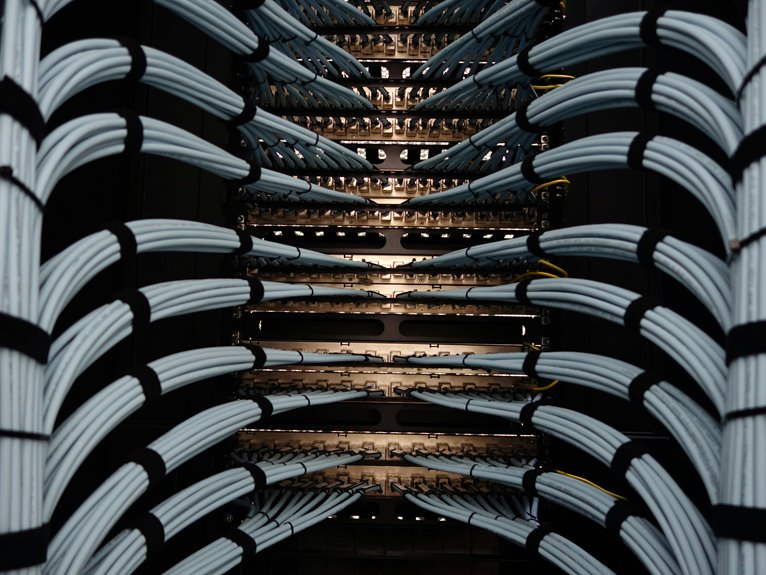
Enterprise data centers, identified by codes such as 4844522186 and 5014579098, are pivotal in modern organizational infrastructure. They facilitate the storage and management of substantial data volumes while addressing scalability challenges. By implementing advanced technologies, these centers optimize resources and enhance operational efficiency. However, as demands evolve, so do the strategies required to maintain performance and security. The implications of these developments warrant further examination.
Overview of Enterprise Data Centers
Enterprise data centers serve as the backbone of an organization’s IT infrastructure, facilitating the storage, management, and processing of vast amounts of data.
Effective data center architecture must address scalability challenges, ensuring that systems can adapt to increasing data loads without compromising performance.
As organizations evolve, a flexible approach to design and infrastructure is essential to maintain operational efficiency and meet future demands.
Understanding Key Identifiers in Data Center Management
While managing an enterprise data center, understanding key identifiers is crucial for optimizing operations and ensuring efficient resource allocation.
Key identifiers serve as essential markers in data management, facilitating the tracking and categorization of resources. They enhance visibility into system performance, enabling informed decision-making.
Proper utilization of these identifiers ultimately contributes to streamlined processes and improved overall data center efficiency.
Resource Allocation and Optimization Strategies
Effective resource allocation and optimization strategies are vital for maximizing the performance of a data center. Implementing robust methodologies enables organizations to efficiently distribute resources, reducing waste and enhancing operational efficiency. The following table summarizes key optimization strategies:
| Strategy | Benefit | Application |
|---|---|---|
| Load Balancing | Improved throughput | Distributing workloads |
| Virtualization | Resource efficiency | Running multiple VMs |
| Automation | Reduced manual error | Streamlining processes |
| Monitoring | Performance insights | Real-time adjustments |
The Role of Technology in Data Center Efficiency
Technological advancements play a critical role in enhancing data center efficiency through the implementation of energy management systems, virtualization, and automation tools.
Energy management systems optimize power consumption, while virtualization and cloud solutions maximize resource utilization and reduce hardware dependency.
Additionally, automation and monitoring tools streamline operations, enabling real-time analytics and improved decision-making processes.
Energy Management Systems
Energy management systems (EMS) revolutionize the operational efficiency of enterprise data centers by optimizing power consumption and enhancing overall environmental sustainability.
These systems facilitate energy efficiency by implementing advanced monitoring and automation technologies, enabling data centers to adopt effective sustainability practices.
Through real-time analytics, EMS identifies inefficiencies, allowing for proactive adjustments that reduce energy waste and align operational goals with environmental responsibility.
Virtualization and Cloud Solutions
As enterprise data centers increasingly adopt energy management systems, the integration of virtualization and cloud solutions emerges as a significant advancement in enhancing operational efficiency. Virtualization benefits include resource optimization and reduced hardware costs, while cloud scalability allows for dynamic resource allocation. These technologies collectively facilitate improved performance and flexibility in data center operations.
| Aspect | Virtualization Benefits | Cloud Scalability |
|---|---|---|
| Resource Utilization | High | Adaptive |
| Cost Efficiency | Reduced Hardware Needs | Pay-as-you-go |
| Deployment Speed | Rapid | On-Demand |
| Management Ease | Simplified | Centralized Control |
| Flexibility | High | Elastic Resources |
Automation and Monitoring Tools
Efficient data center operations increasingly rely on advanced automation and monitoring tools to optimize performance and enhance resource management.
Automation frameworks streamline repetitive tasks, reduce error rates, and free up human resources for strategic initiatives.
Meanwhile, robust monitoring solutions provide real-time insights into system health, enabling proactive decision-making.
Together, these technologies foster agility and resilience, driving overall efficiency in enterprise data centers.
Ensuring Security in Data Center Operations
A robust security framework is essential for safeguarding data center operations against an array of potential threats. Implementing data encryption, stringent access controls, and advanced threat detection mechanisms ensures the integrity of sensitive information. Additionally, incident response strategies, regular security audits, compliance with regulations, and effective physical security measures, along with network segmentation, are critical components of a comprehensive security strategy.
| Security Measure | Purpose |
|---|---|
| Data Encryption | Protects data confidentiality |
| Access Controls | Restricts unauthorized access |
| Threat Detection | Identifies potential risks |
Future Trends in Enterprise Data Center Management
Recent advancements in technology and evolving business needs are reshaping enterprise data center management.
Future trends indicate a shift towards sustainability practices and hybrid architectures, optimizing resource use.
The incorporation of edge computing enhances data processing efficiency, while AI integration automates operations and improves decision-making.
Collectively, these developments empower organizations to achieve greater flexibility and responsiveness in their data management strategies.
Conclusion
In the evolving landscape of enterprise data centers, much like a well-tuned orchestra, each component must harmonize to achieve peak performance. Just as a conductor ensures that every instrument plays its part, effective resource allocation and cutting-edge technologies synchronize operations to enhance efficiency and security. As organizations continue to adapt to rising demands, investing in strategic management practices will be crucial, transforming these data centers into resilient fortresses capable of supporting future innovations and growth.


