

The Enterprise Intelligence Office serves as a crucial component in modern organizations, enhancing decision-making through data-driven strategies. Its functions encompass strategic alignment, risk management, and the utilization of advanced analytics tools. These elements collectively foster a culture of collaboration among stakeholders. As the landscape evolves with emerging technologies, understanding the intricate dynamics within the office becomes essential for organizations aiming to maintain a competitive edge. What implications might this evolution hold for the future?
Understanding the Role of the Enterprise Intelligence Office
As organizations increasingly navigate complex data landscapes, understanding the role of the Enterprise Intelligence Office becomes essential for effective decision-making.
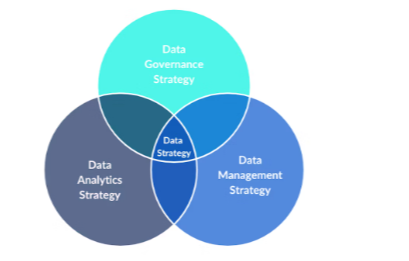
This office is pivotal in establishing robust data governance frameworks, ensuring data quality and compliance.
Furthermore, fostering stakeholder engagement is crucial, as it aligns diverse interests with organizational objectives, facilitating informed decisions that enhance overall performance and strategic alignment.
Key Functions and Responsibilities
While the importance of data governance is widely recognized, the Enterprise Intelligence Office encompasses a broader spectrum of key functions and responsibilities that are vital for organizational success.
These include stakeholder engagement, performance metrics assessment, risk management, resource allocation optimization, and enhancing operational efficiency.
Additionally, the office facilitates technology integration and ensures strategic alignment, enabling organizations to navigate complexities effectively.
Tools and Technologies Used in Enterprise Intelligence
In order to effectively harness the power of data for informed decision-making, organizations leverage a variety of tools and technologies within the Enterprise Intelligence framework.
Key components include data visualization software, which transforms complex datasets into intuitive graphics, and predictive analytics tools that forecast future trends.
Together, these technologies empower businesses to make strategic decisions and adapt to dynamic market conditions.
The Impact of Data-Driven Decision Making
Data-driven decision making has emerged as a transformative force within organizations, significantly influencing operational efficiency and strategic direction.
By leveraging predictive analytics, companies enhance data accuracy, allowing for more informed decisions. This approach not only minimizes risks but also fosters innovation, enabling businesses to adapt swiftly to market changes.
Ultimately, data-driven strategies empower organizations to achieve sustainable growth and competitive advantage.
Case Studies: Successful Implementations
Numerous organizations have successfully embraced data-driven decision making, showcasing its effectiveness through various case studies.
These implementations highlight best practices, such as fostering a culture of analytics and leveraging technology for data integration.
However, they also reveal implementation challenges, including resistance to change and data quality issues.
Addressing these obstacles is crucial for organizations aiming to optimize their intelligence capabilities and drive sustainable growth.
Future Trends in Enterprise Intelligence Offices
The future of Enterprise Intelligence Offices is poised to be significantly influenced by the integration of artificial intelligence, which will enhance decision-making capabilities through advanced data analytics.
As organizations seek to leverage vast amounts of information, the development of sophisticated collaborative decision-making tools will be essential for fostering teamwork and improving outcomes.
These trends indicate a shift towards a more data-driven and interconnected approach to enterprise intelligence, emphasizing the importance of technology in strategic planning.
AI Integration Strategies
As organizations increasingly recognize the strategic importance of artificial intelligence, the integration of AI into Enterprise Intelligence Offices is poised to redefine operational frameworks and decision-making processes. Effective integration strategies will address challenges such as ethical considerations and user adoption, while promoting cross-department collaboration and leveraging real-time analytics for predictive modeling and scalability solutions.
| Integration Strategies | Key Considerations |
|---|---|
| AI Frameworks | Integration Challenges |
| Scalability Solutions | Ethical Considerations |
| Cross Department Collaboration | User Adoption Strategies |
| Real Time Analytics | Predictive Modeling |
Enhanced Data Analytics
Enhanced data analytics represents a transformative evolution in the operational capabilities of Enterprise Intelligence Offices, enabling organizations to harness vast amounts of information for strategic decision-making.
Collaborative Decision-Making Tools
In light of advancements in data analytics, the evolution of collaborative decision-making tools is becoming increasingly prominent within Enterprise Intelligence Offices.
These tools leverage collaborative platforms to enhance teamwork and streamline decision-making frameworks. By integrating diverse perspectives and real-time data, organizations can foster an environment conducive to informed choices, ultimately driving innovation and agility in their strategic operations.
Conclusion
In conclusion, the Enterprise Intelligence Office serves as a critical component in advancing organizational effectiveness through data-driven decision-making. While some may argue that reliance on technology can lead to over-dependence, the integration of advanced analytical tools fosters informed choices, enhancing strategic alignment and risk management. By utilizing data visualization techniques, organizations can effectively communicate complex insights, ensuring stakeholder engagement and collaboration. As the office adapts to future trends, its emphasis on ethical practices and user adoption will further solidify its value.


 By
By



 By
By