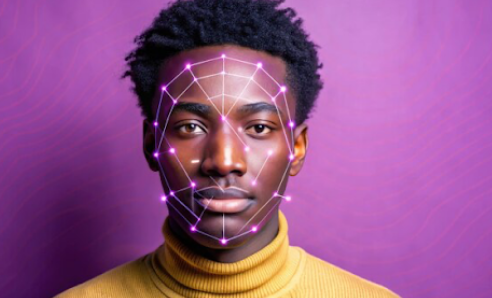

Tracing callers from specific phone numbers, such as 3155086148 and 3172681157, raises important questions about identification and privacy. Many individuals seek clarity on unknown callers for various reasons, from personal safety to legitimate inquiries. The methods available for tracing these numbers vary in effectiveness and reliability. Understanding the nuances of these approaches can be crucial. What implications do these methods hold for privacy and security? The exploration continues.
Understanding the Need for Caller Identification
As individuals increasingly rely on their phones for both personal and professional communication, the necessity for effective caller identification becomes paramount.
This need stems from heightened concerns regarding caller privacy and identity protection. Understanding the implications of unknown calls reveals a complex landscape where the desire for freedom in communication intersects with the risks of unsolicited contact, making identification a crucial element of modern connectivity.
Methods to Trace Unknown Callers
Exploring methods to trace unknown callers reveals a range of options, each with varying levels of effectiveness and accessibility.
Reverse phone lookup services provide a straightforward approach to identifying callers by utilizing publicly available information.
Additionally, mobile apps designed for tracing and reporting incidents to authorities can enhance user safety and facilitate the tracking of suspicious calls.
Reverse Phone Lookup Services
Reverse phone lookup services have emerged as essential tools for individuals seeking to identify unknown callers.
These platforms often raise privacy concerns, as users grapple with how their data is utilized. User experiences vary; some find success in retrieving valuable information, while others face challenges with accuracy.
As the demand for transparency grows, these services must navigate the delicate balance between utility and privacy.
Mobile Apps for Tracing
The rise of mobile apps has transformed the landscape of tracing unknown callers, offering users an immediate and accessible means to identify unfamiliar numbers.
These mobile security apps utilize databases and community reports to enhance user experience while addressing caller privacy concerns.
As individuals seek autonomy over their communication, the effectiveness and ethical implications of such tracing methods remain subjects of ongoing analysis and discussion.
Reporting to Authorities
Individuals facing persistent harassment or threats from unknown callers often consider reporting to authorities as a viable method of tracing these contacts.
Understanding the reporting procedures is crucial, as individuals must navigate legal obligations that vary by jurisdiction. Authorities may utilize technology to trace calls, but timely reporting enhances effectiveness, allowing individuals to reclaim their sense of security and maintain personal freedom amidst ongoing distress.
Utilizing Technology for Caller Trace
The integration of technology into caller tracing has revolutionized the way individuals identify unknown numbers.
Caller ID services, reverse phone lookup tools, and dedicated mobile applications offer varied solutions, each with distinct functionalities and limitations.
An examination of these technologies reveals critical insights into their effectiveness and user accessibility in tracing callers.
Caller ID Services
While many may view caller ID services as a mere convenience, these technologies serve a critical role in enhancing communication security and privacy.
By revealing the identity of callers, they bolster caller privacy and empower individuals to make informed decisions about their interactions.
However, this raises important questions regarding technology ethics, particularly concerning how data is collected, stored, and utilized in the name of security.
Reverse Phone Lookup
Although many may consider reverse phone lookup services just a tool for identifying unknown callers, they represent a sophisticated intersection of technology and personal security.
These services raise critical questions regarding caller privacy and tracing ethics, as users navigate the balance between ensuring safety and respecting individual rights.
The implications of utilizing such technology merit careful consideration in an increasingly interconnected society.
Mobile Apps Solutions
Mobile applications have emerged as innovative solutions for tracing callers, enhancing the capabilities of traditional reverse phone lookup services. These apps utilize advanced algorithms and data sources to improve accuracy and efficiency.
However, users must consider mobile security and privacy protection, ensuring that their personal information remains confidential. This balance between functionality and safeguarding individual freedoms is crucial in the evolving landscape of caller trace technology.
The Role of Reverse Phone Lookup Services
Reverse phone lookup services play a crucial role in modern communication by enabling individuals to identify unknown callers swiftly and efficiently.
These services balance caller privacy with the need for information, ensuring that users can protect their data security while investigating unfamiliar numbers.
Managing Spam Calls Effectively
As the reliance on mobile communication increases, managing spam calls has become a pressing concern for many.
Effective call blocking mechanisms and spam call prevention strategies are essential tools for individuals seeking to reclaim their communication space. By employing these methods, users can diminish unwanted interruptions, fostering a sense of control and freedom in their daily interactions amidst an increasingly intrusive digital landscape.
Legal Considerations in Caller Tracing
While the ability to trace callers can provide crucial benefits in identifying and mitigating threats, it is essential to navigate the complex legal landscape surrounding such practices.
Legal implications arise when tracing infringes on individual privacy rights, raising concerns about consent and data protection.
Balancing effective caller identification with respect for personal privacy is critical in ensuring compliance and fostering trust among users.
Conclusion
In the intricate web of communication, tracing unknown callers becomes a crucial thread in safeguarding personal privacy. By leveraging advanced technologies and reverse phone lookup services, one can unveil the identities hidden behind the numbers, transforming an enigma into clarity. As the digital landscape evolves, the dance between security and privacy grows ever more complex. Thus, understanding these methods not only empowers individuals but also fortifies their daily interactions against the lurking shadows of unsolicited intrusions.


 By
By







 By
By